Two concept tests and a couple hours of prep — after feeling like preparations would go on forever, I finally completed some of my best work yet. Improving upon design, complexity, and quality, this feast showcased my serious commitment to the genre as it marked my official start in hosting these events on a more regular basis.
But what’s in it?
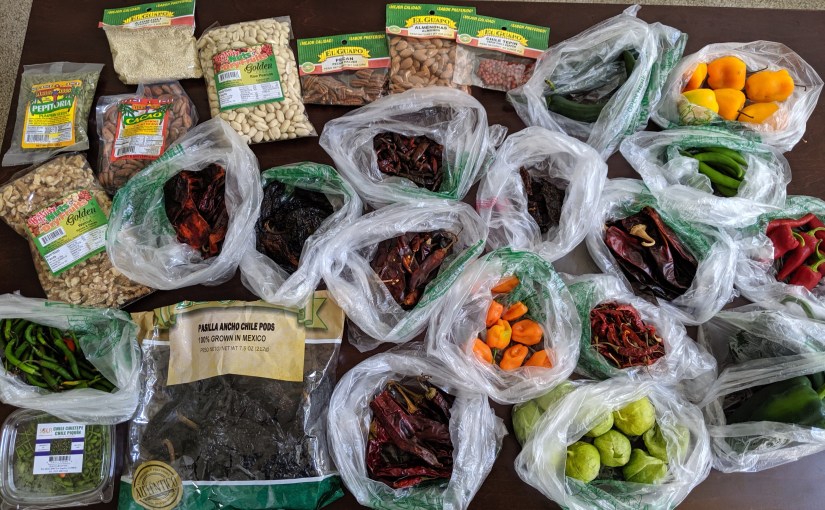
Now this wouldn’t be a feastival if I didn’t put the utmost attention into the food that goes in and this does not disappoint. Boasting the most expansive ingredient list of any of my creations, I’ll have to break this into parts just to make it anywhere near comprehensible.
Every ingredient was chosen to work with other ingredients as much as possible, but for ease of breakdown I am going to describe this in layers.
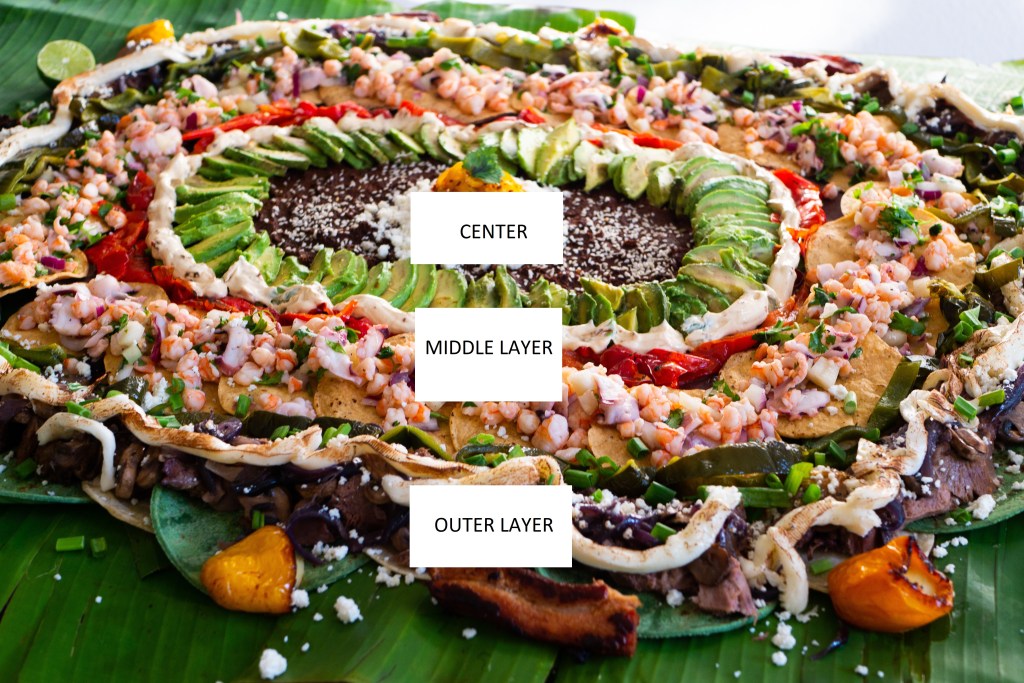
The Center
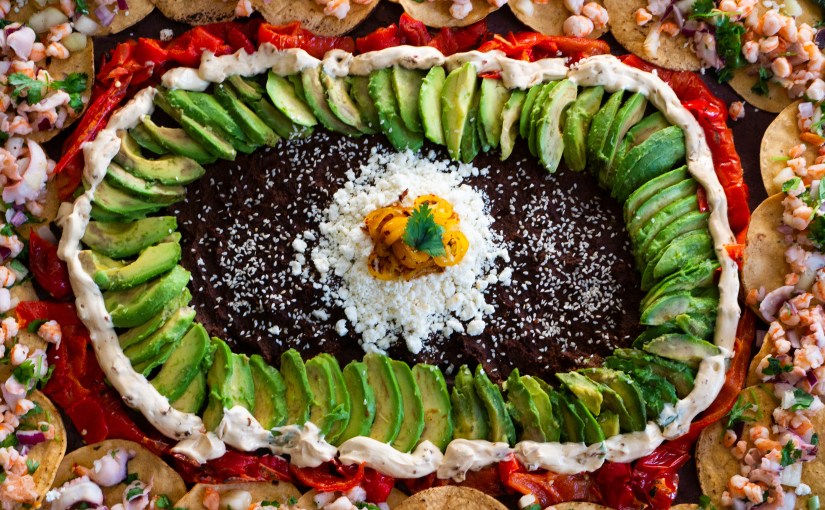
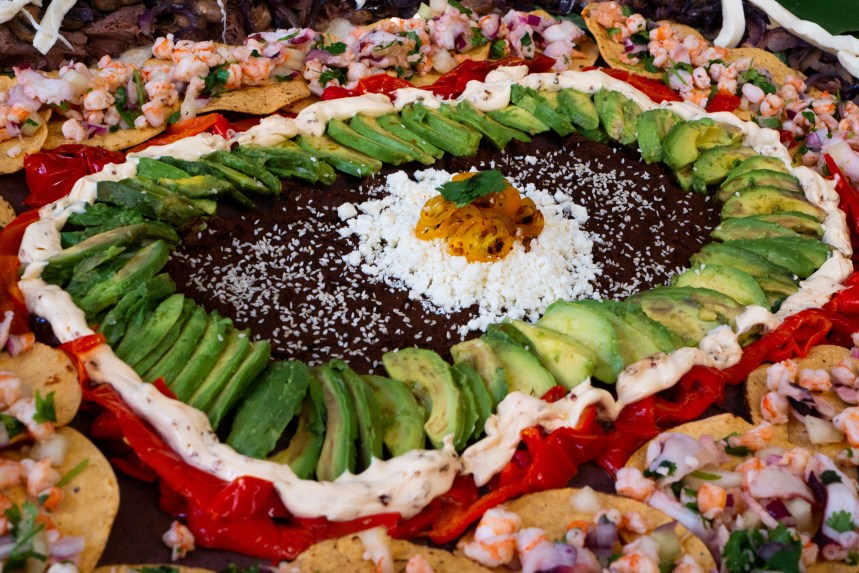
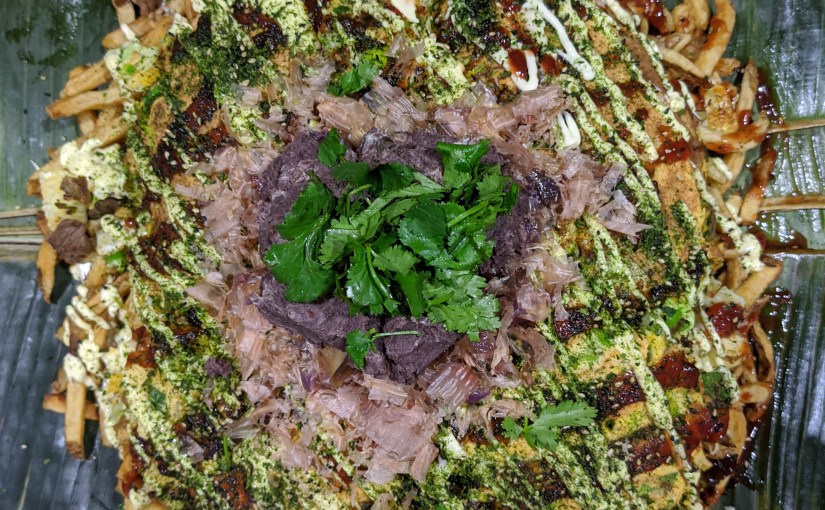
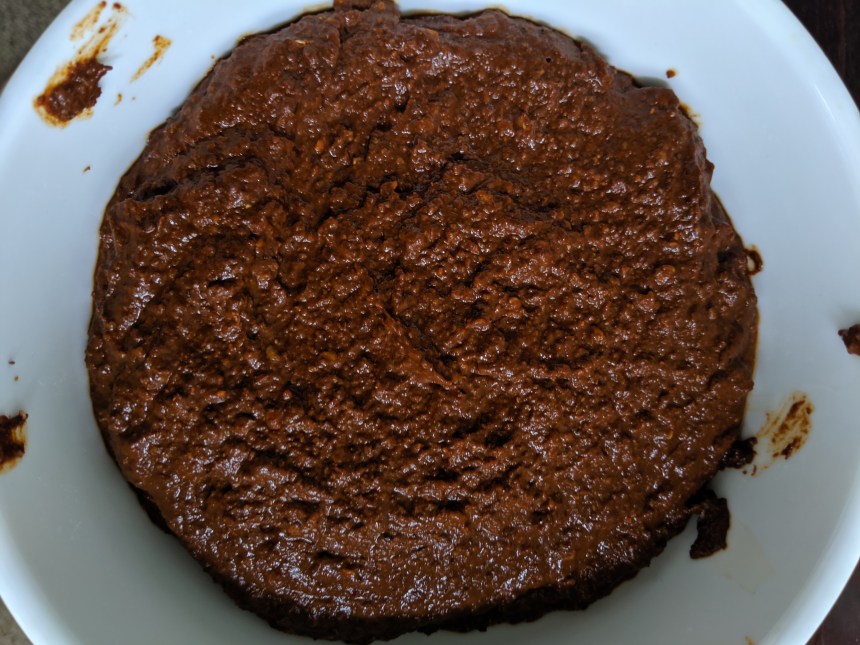
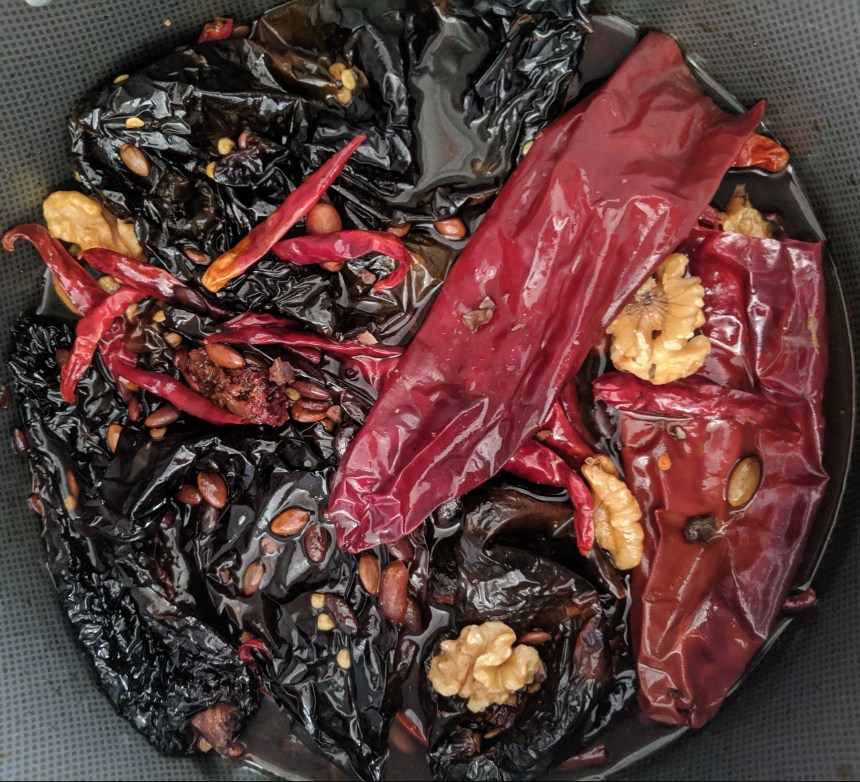
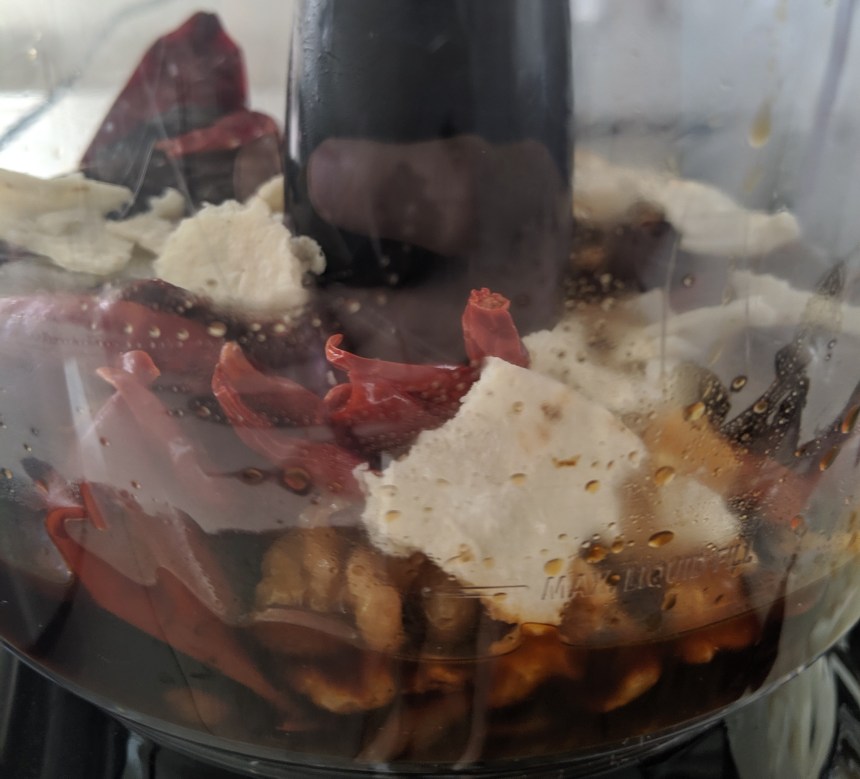
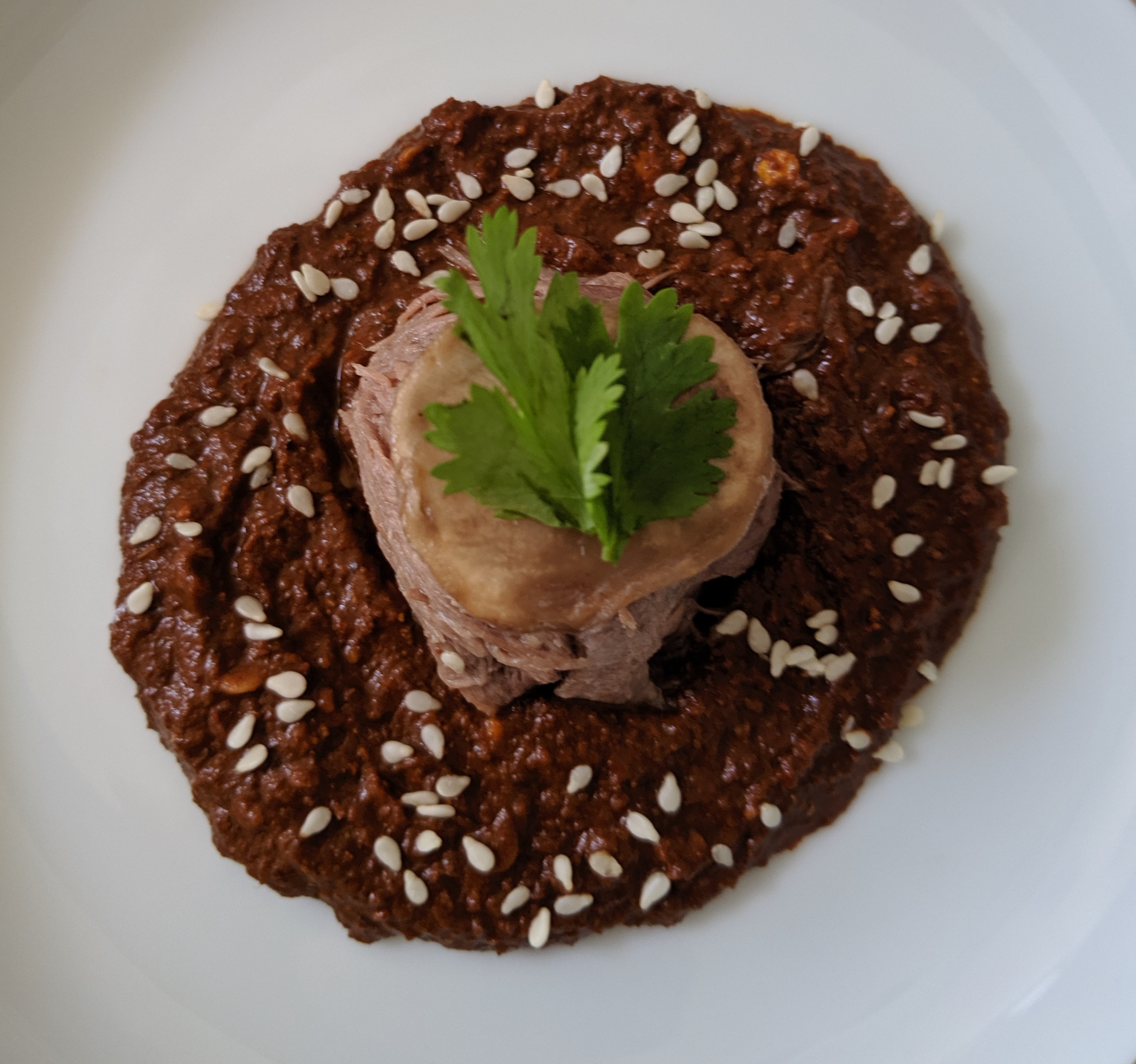
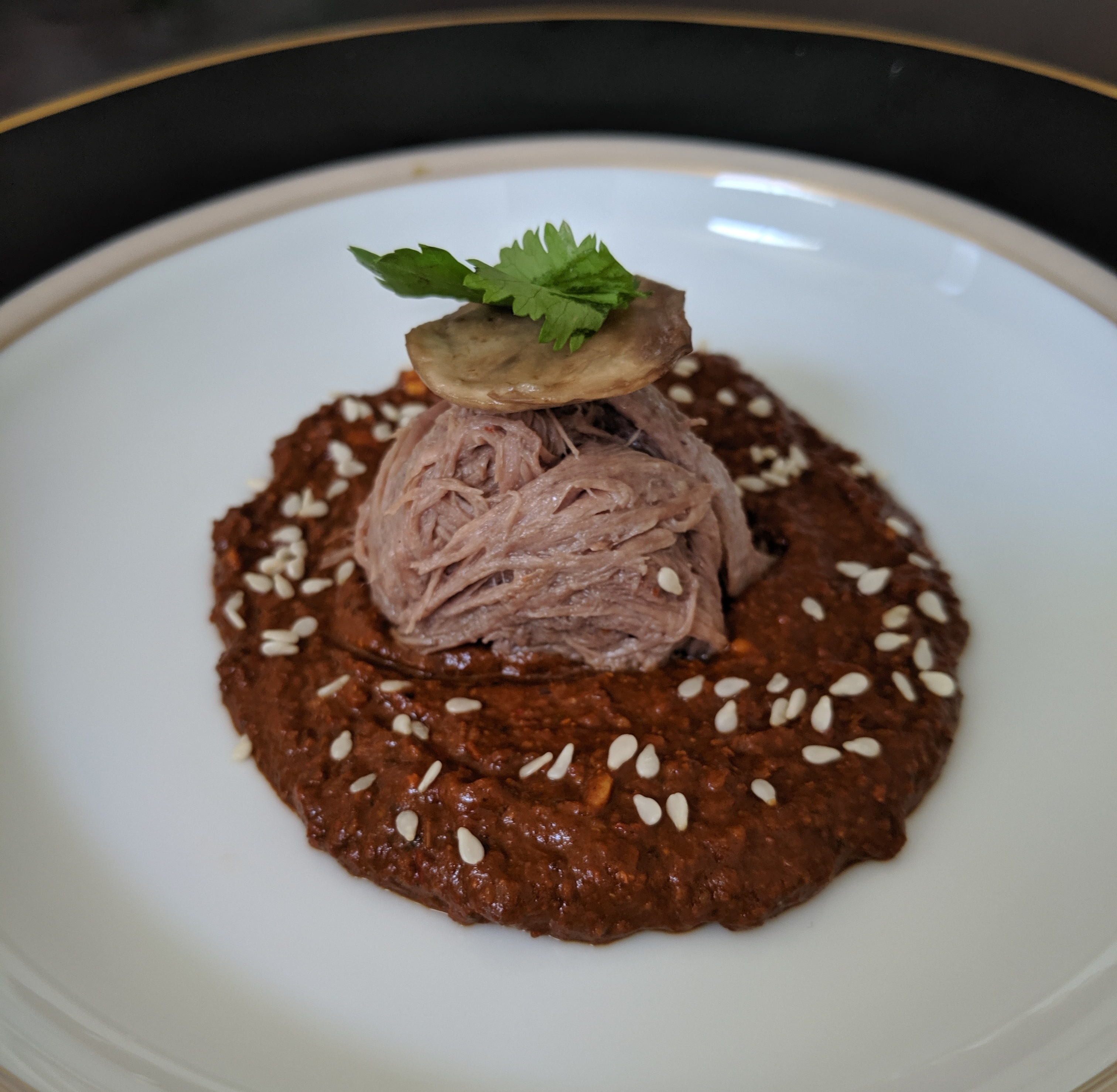
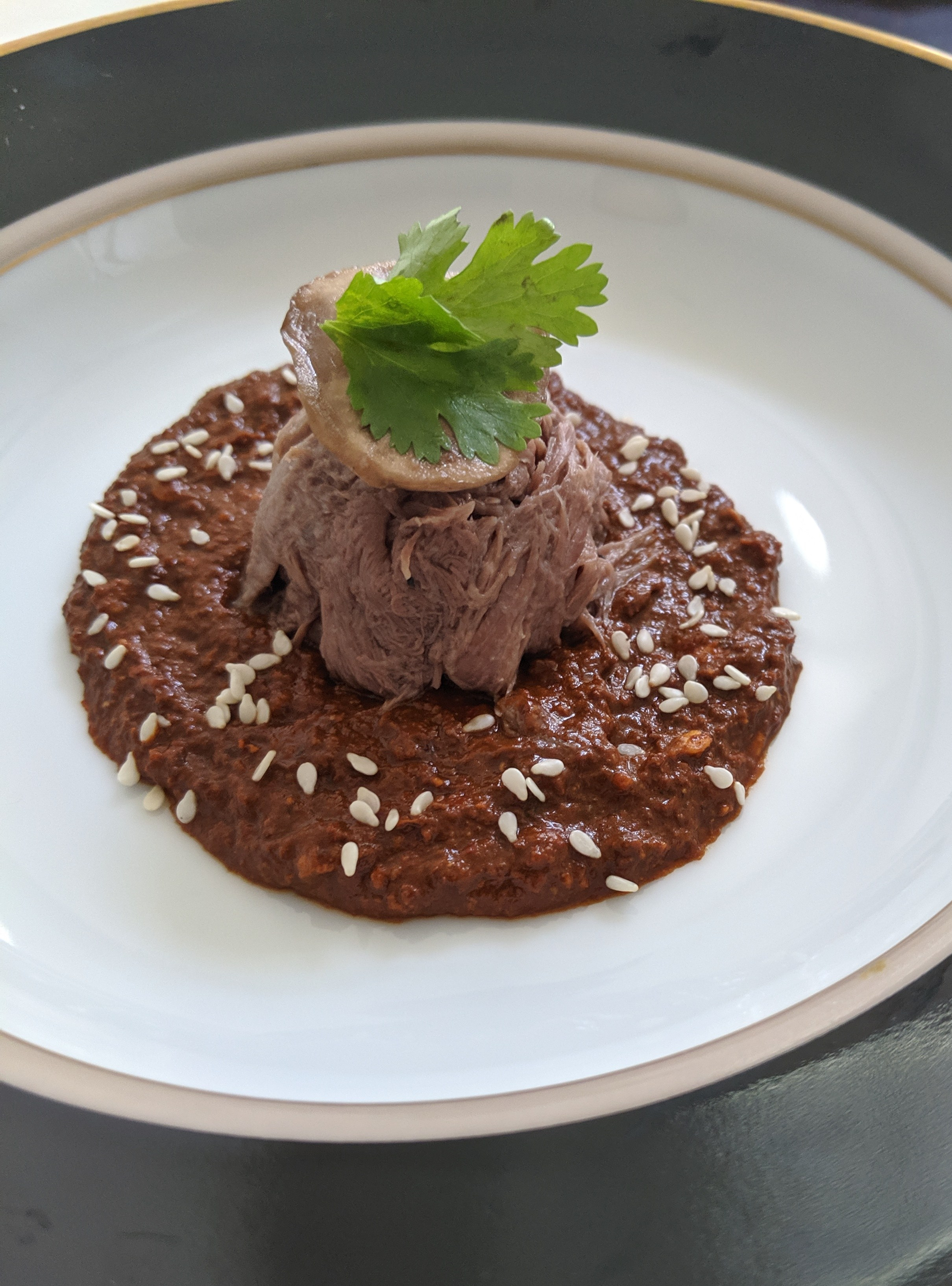
At the center we have mole, sesame seeds, Queso Cotija Don Francisco, sliced baby tomato rolled in Chile Morita Seco, and cilantro. Simple. Well it would be if it weren’t for the fact this homemade mole is comprised of:
- Dried Chile De Arbol
- Toasted Chile De Arbol
- California Dried Chile
- Black Dried Chile
- Dried Ancho Chile
- Chile Morita Seco
- Brown Sugar
- Dark Amber Maple Syrup
- Sesame oil
- Vegetable oil
- Sesame seeds
- Black pepper
- Salt
- Raw walnuts
- Roasted peanuts
- Roasted pumpkin seed
- Garlic powder
- Water
- Roasted chile pasilla
- Crema Oaxacena
- Aleppo pepper
- Lime
- Coriander
- Cumin
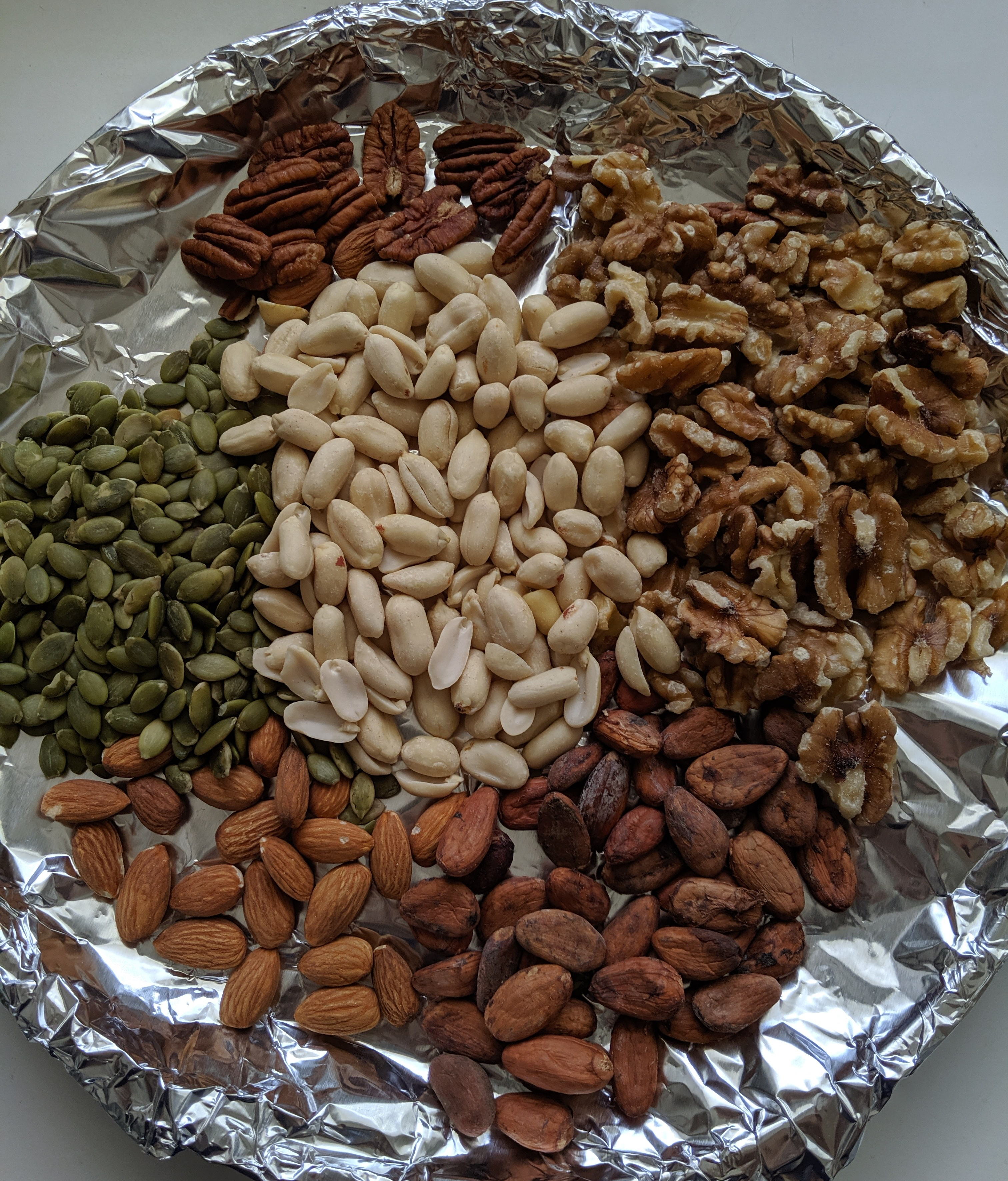
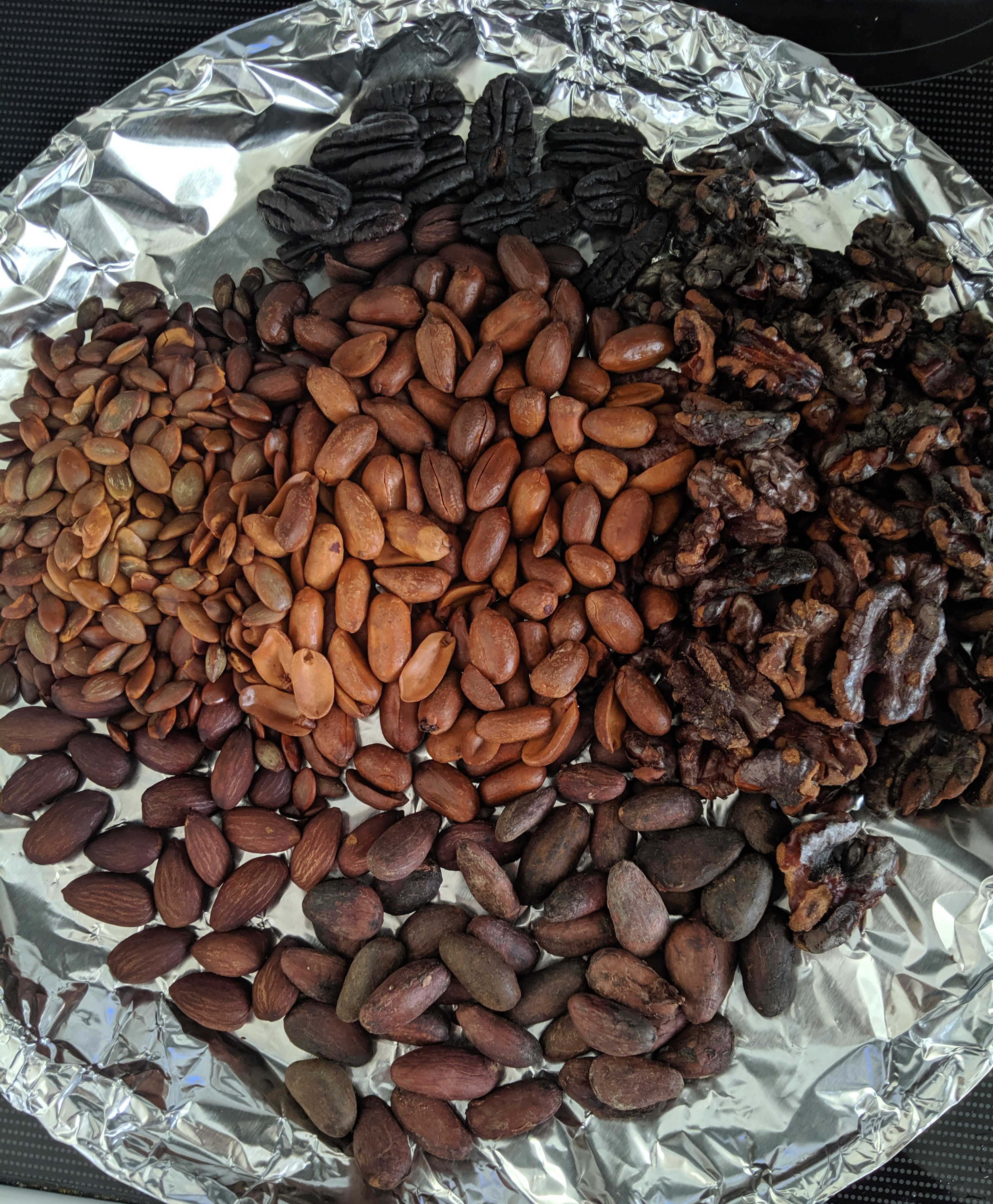
Looking at the list, I second guess that I even came up with this. Anyway, the mole is similar to my previous test with a couple modifications (notably sesame seeds and sesame oil for an added layer of umami, and brown sugar to round out the sweetness of the dark amber syrup). A few changes were also made to the ratios from my learnings from the first time, but the goal was still similar. The mole had a mild smoke from the dried chiles complimented by the bitterness of the cacao and a dull sweetness from the sugars. Crema added some much needed creaminess with starch from the corn tortillas. Nuts and oils were present to provide a sense of umami, while the remaining ingredients were used to fill in all the gaps between the main tasting notes. All of this packaged together gave off a full range of flavor palate, finishing off with a dull burn that hurts just enough for you to ask for more.
This layer acted as a compliment to the others — meant to be added on as needed for extra intensity to any desired flavor. Salty cheese in the cotija, deep full-flavored spice from the mole, smoky sweetness in the spiced baby tomatoes, and herbal notes in the cilantro. Its also the only layer that didn’t have components that you would normally eat by itself.
The Middle Layer
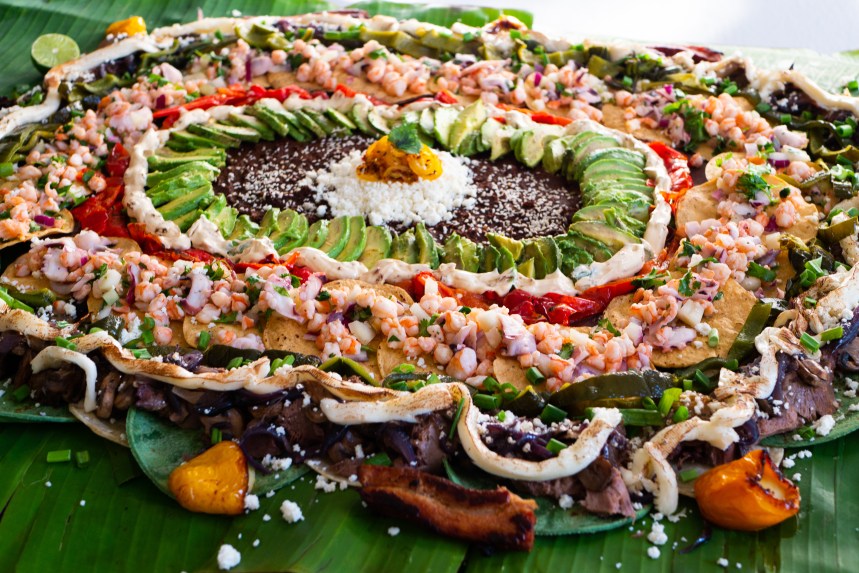
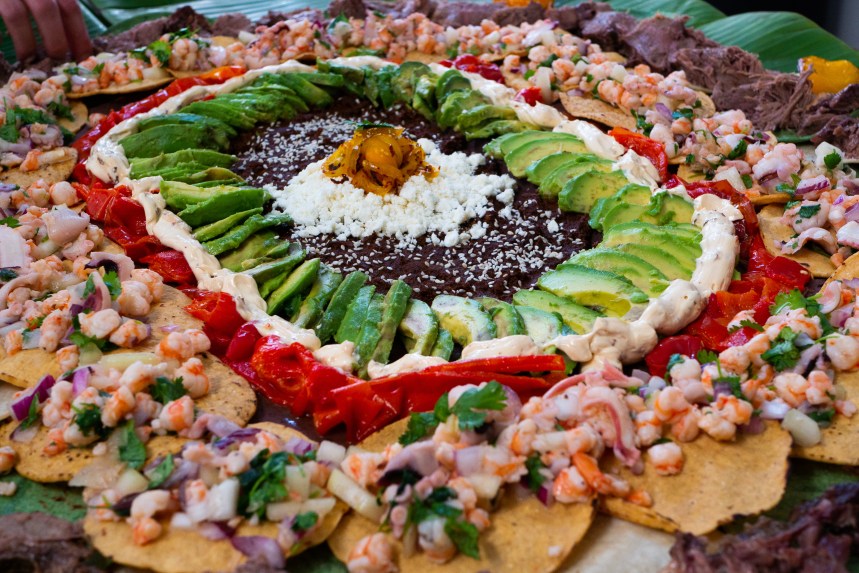
Moving on, we have the middle layer composed of a mix of a standalone dish in the ceviche tostadas, and several other complimentary components.
At the bottom we have a yuzu, dashi, dark amber syrup, garlic, black pepper, chile morita seco, and aleppo pepper infused black bean puree bringing a well-rounded, starchy umami. On top we have lime salted avocados, chile morita seco infused crema oxaquena, and roasted red bell peppers. The avocados and crema add extra creaminess throughout any bites, while the roasted bell pepper and chile adds smoky sweetness.
Finally we have the ceviche:
- Ground shrimp
- Shredded Octopus
- Agave syrup
- Grapefruit
- Danjou Pears
- Cilantro
- Garlic Salt
- Cayenne Pepper
- Black pepper
- Lime
- Yuzu
This take on ceviche was crafted to be sweeter than most (due to the heavy focus on sweet ingredients like the fruits and agave nectar), while keeping it balanced with the more traditional accompaniments such as lime, salt, onions, cilantro, and even some light heat from the cayenne and black pepper. Its citric sweetness played nicely to act as a refresher in between meaty bites from the outer layer and the intenser spices from other aspects of the feast.
The Outer Layer
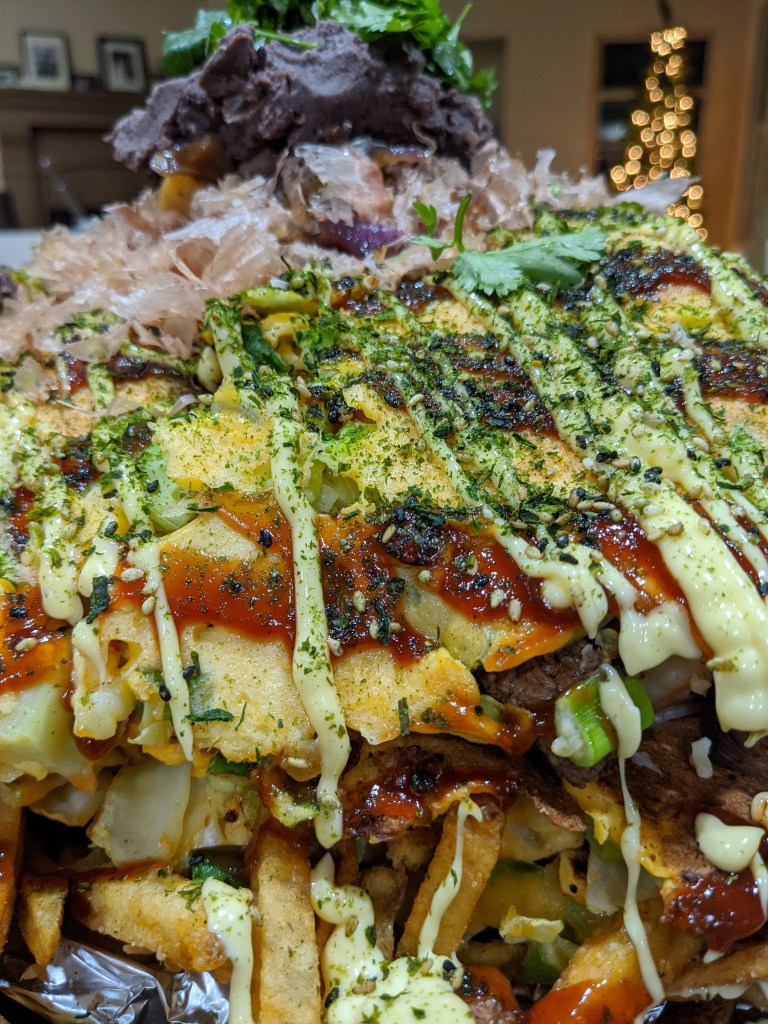
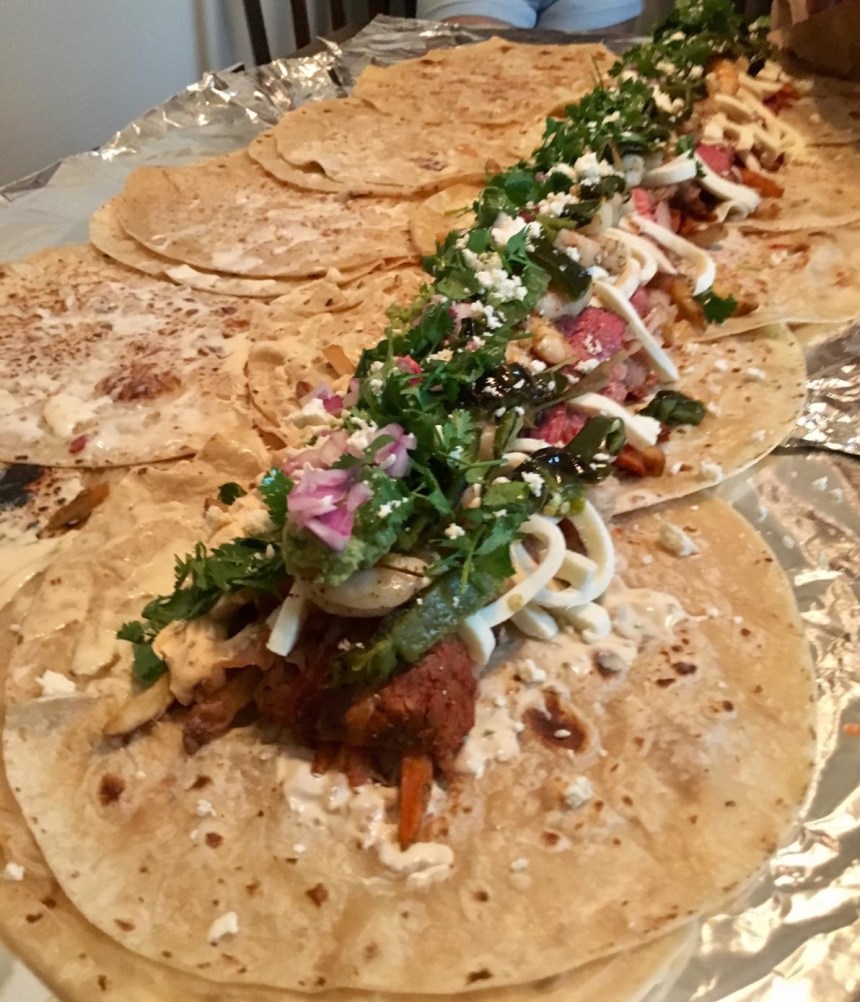
Finally, we have the heavy hitter. The hearty, meaty layer meant to be complemented from everything within.
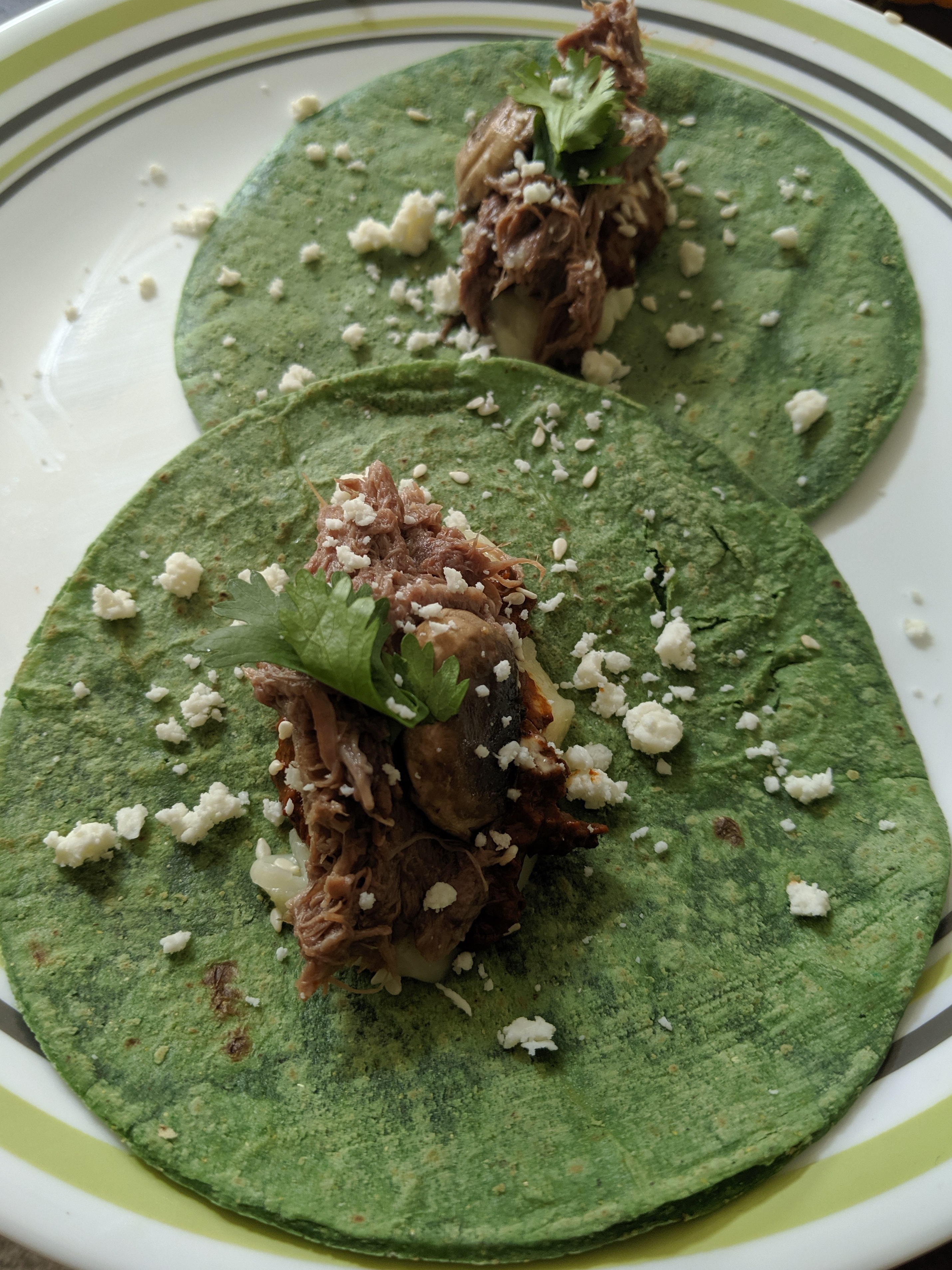
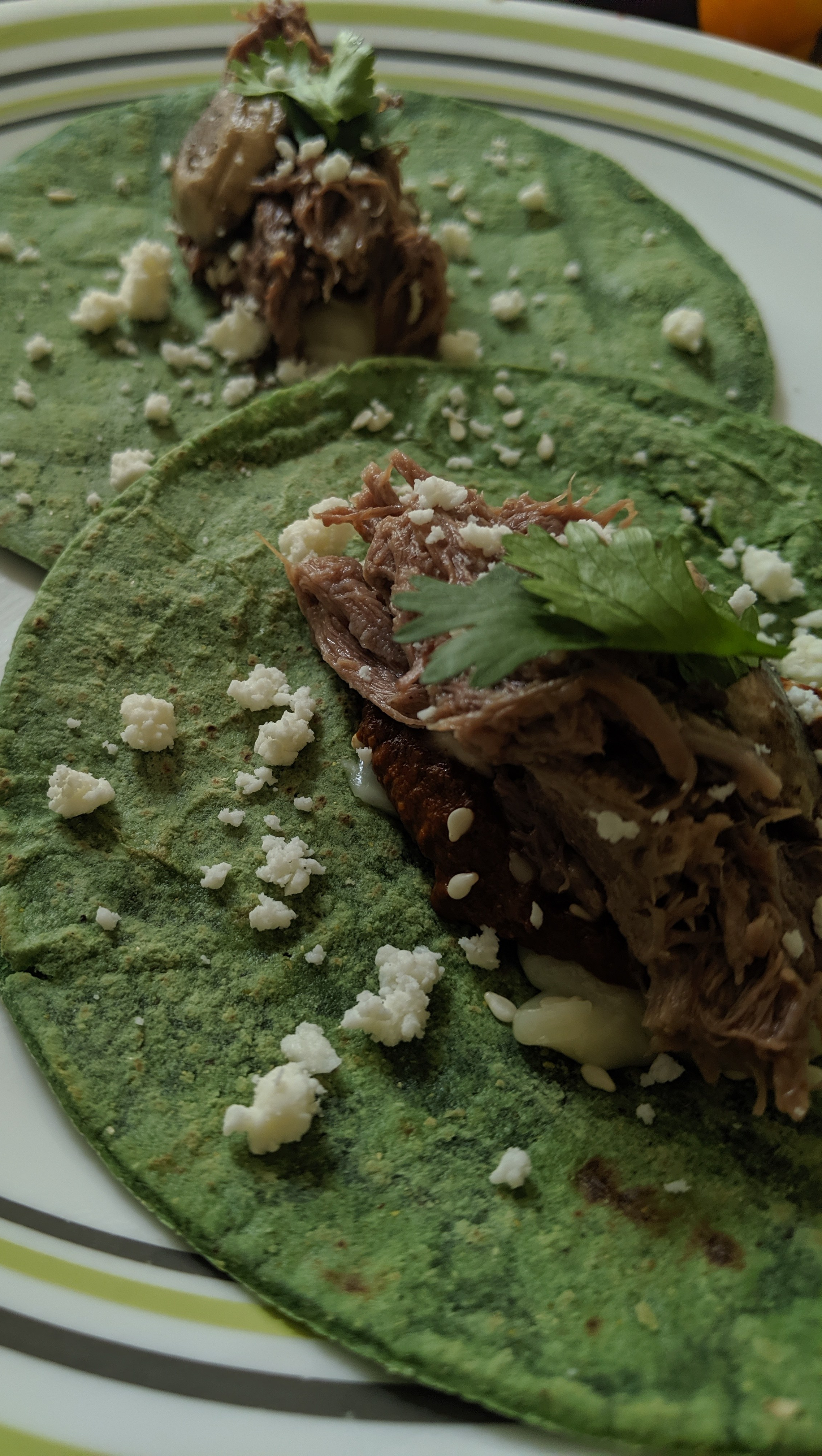
- Tortillas – hatch chile flour tortillas and corn tortillas
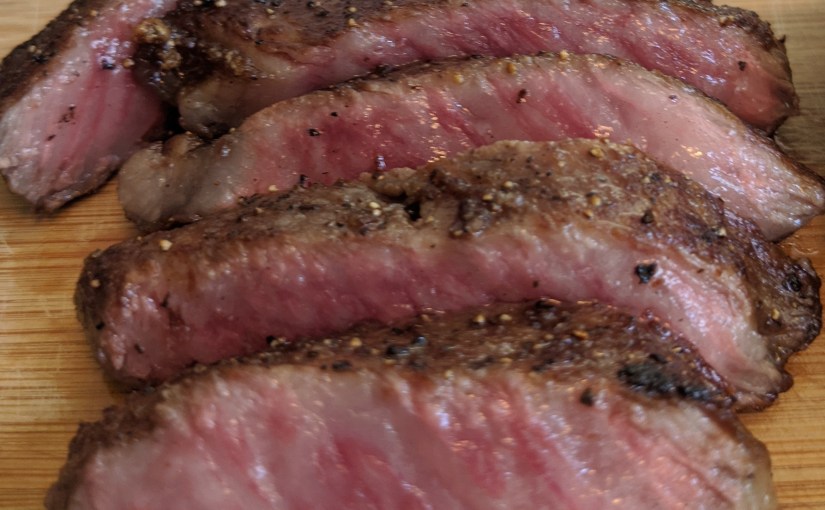
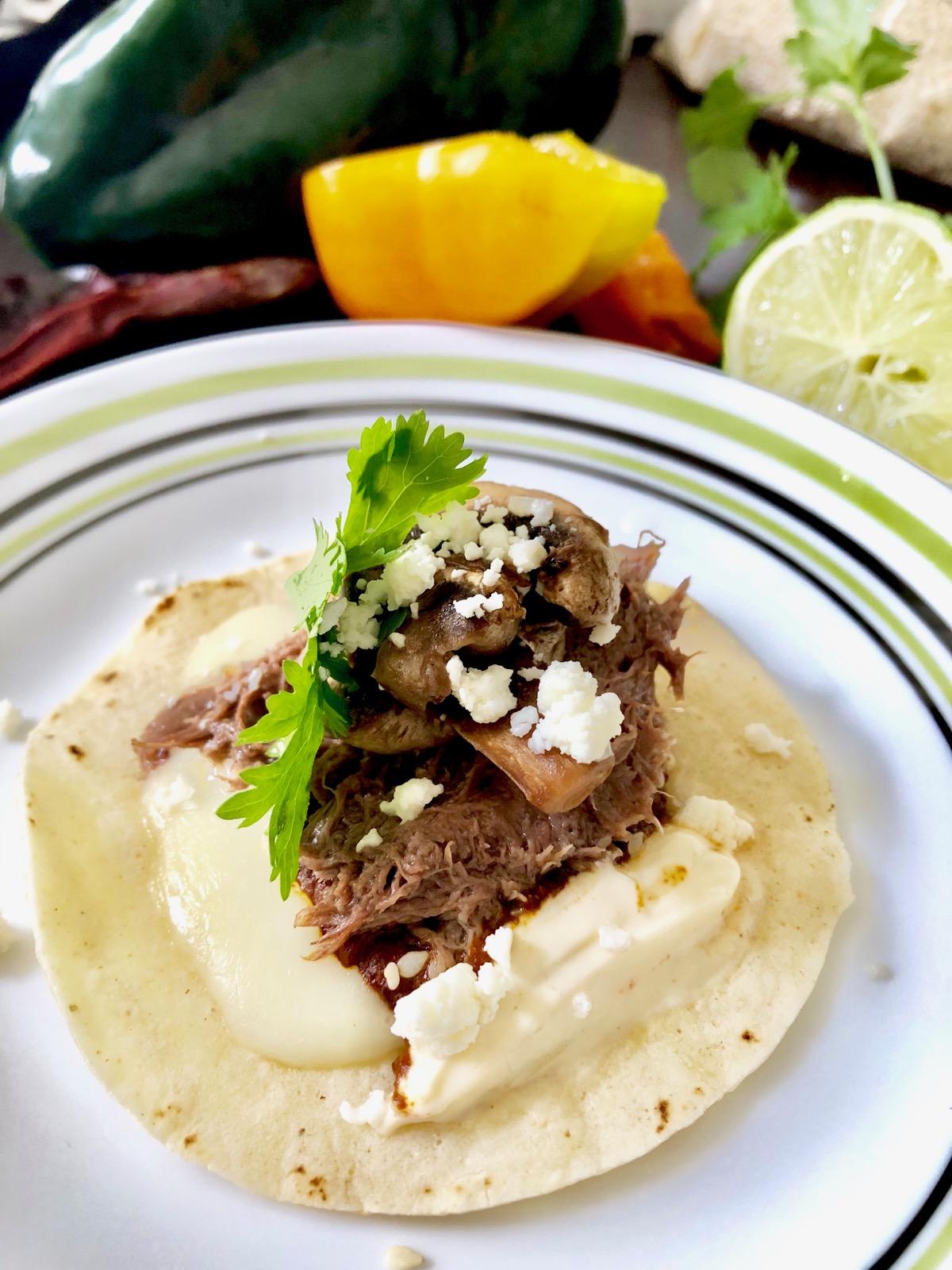
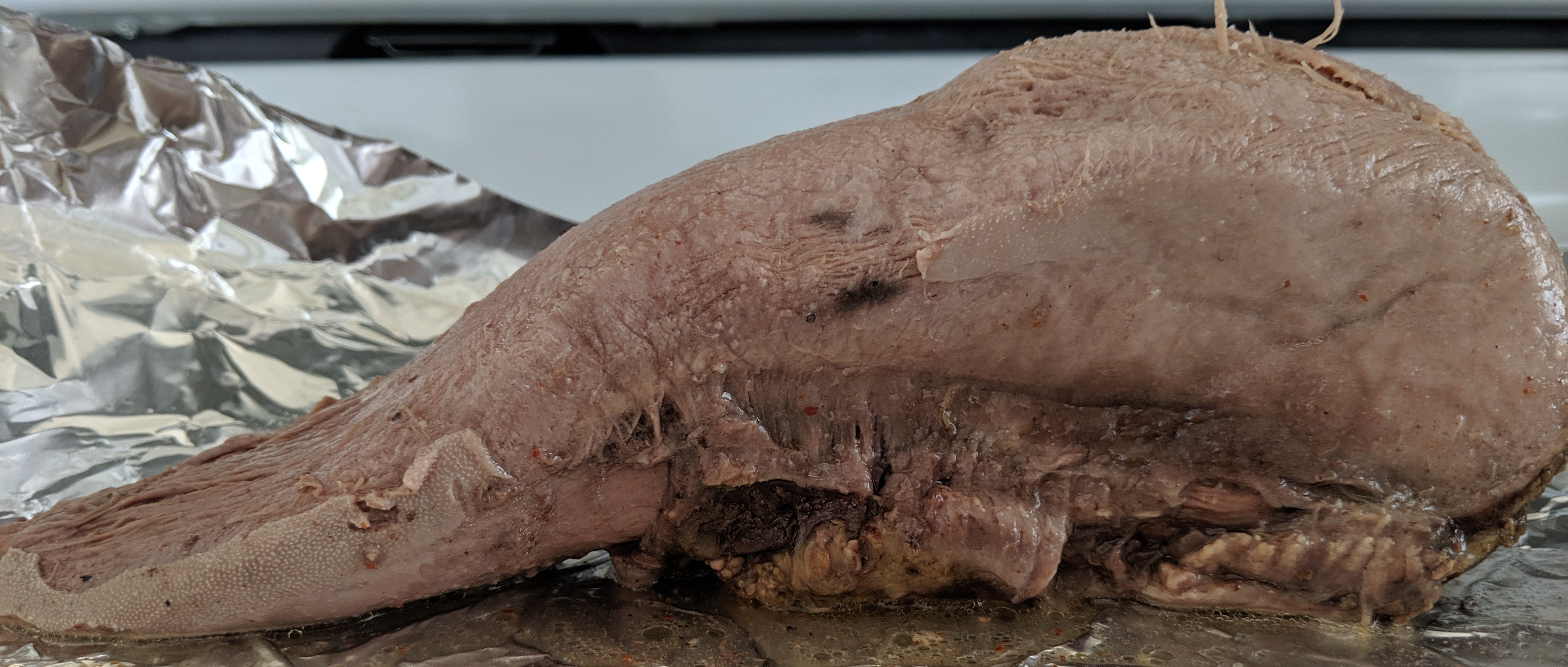
- Slow cooked beef tongue marinated in honey, aleppo pepper, red pepper, lime, apple cider vinegar, black pepper, garlic, and garlic salt
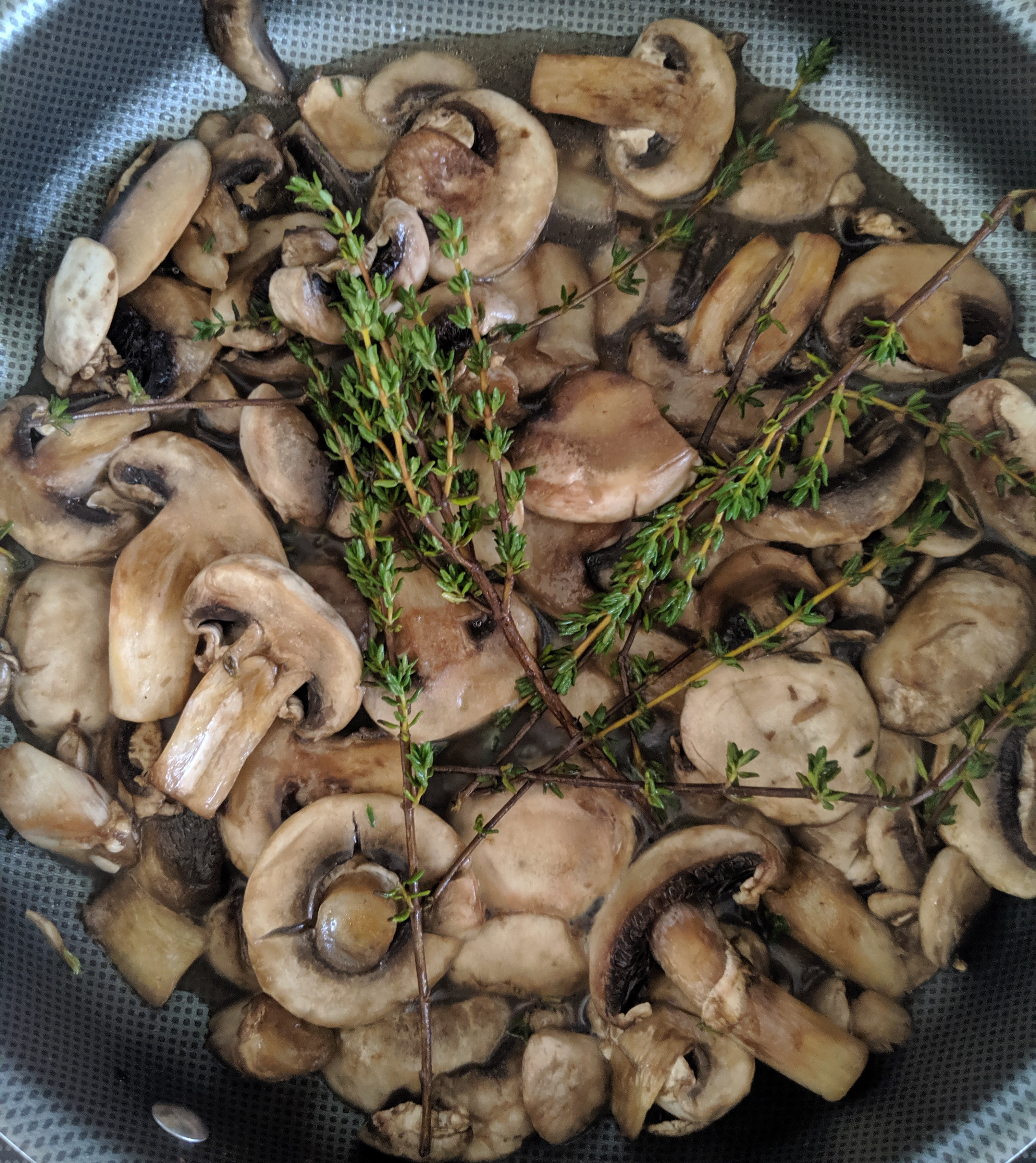
- White mushrooms sauteed with honey, thyme, salt, and a mushroom spice blend
- Sauteed red onions
- Oaxacan cheese
- Queso Fresco Pancho
- Green Onion
- Fried Sous Vide Pork Belly
- Manzano Peppers stuffed with Oaxacan Cheese
- Limes
- Brown sugar dashi carmelized green onion bulbs with black pepper
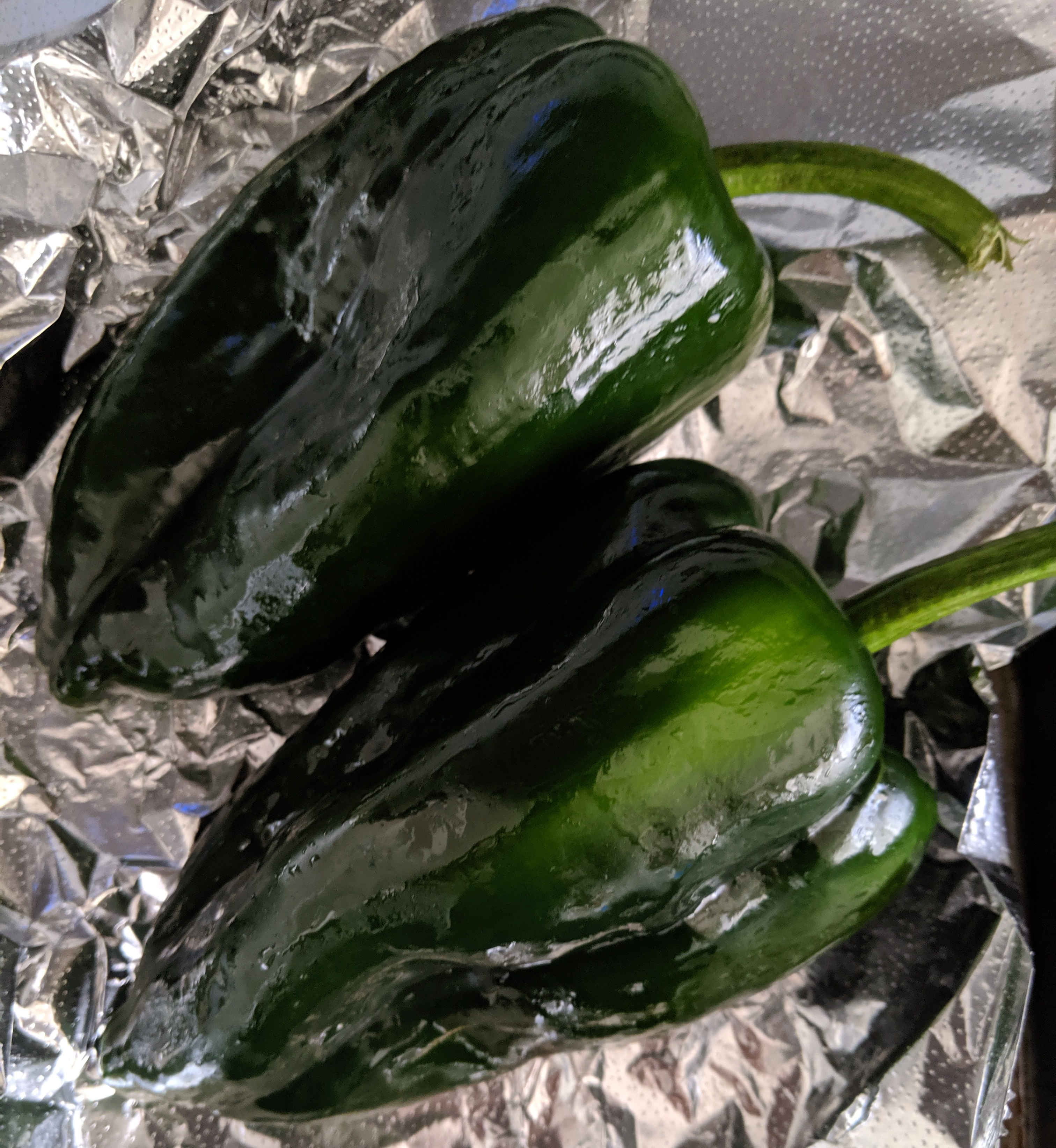
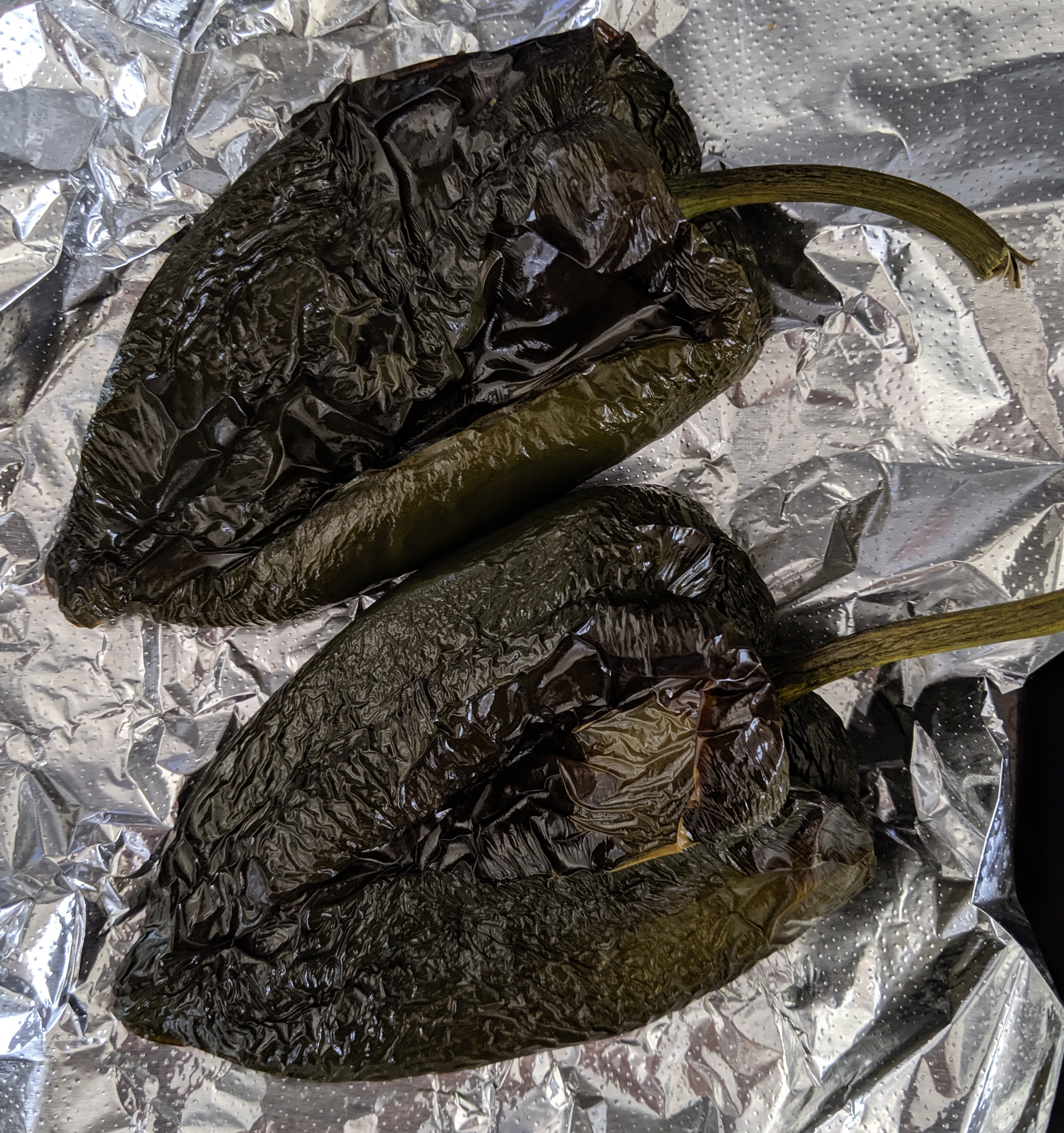
- Roasted Chile Pasilla
Tender beef tongue meeting contemporary accompaniments, this layer was the only section featuring meat and is essentially constituted of tacos. Onions and mushrooms are used to directly complement the beef tongue as the cheese add some salty richness to be cut by the green onions and roasted chile pasilla. Lime is added to taste, while pork belly and oaxacan cheese stuffed manzano peppers are available to take the experience to the extreme.
How did it all work together?
As I found out in my first tests, a lot of the ingredients are surprisingly versatile despite their intense flavors. I took advantage of this by placing smaller complimenting ingredients and dishes to accompany the full fledged dishes. Avocados, crema, black beans, and roasted red bell peppers brought some heft to the tostadas, but they could also be used to bright up the beef tongue tacos. If anyone’s palate got bored for any reason, the components in the center would kick things up a few notches.
A better analogy to describe the experience is that the whole feast was as full in flavor as it was full of color. Everything was packed with flavor, but each component had its particular focus. This meant that anything could be paired and eaten without worrying about competing forces. There is fun in being able free to eat the way you want and I wanted to enable that sense of freedom as much as possible. The last thing I want to do in a feast is lay down a thousand rules on how to eat anything.
Plating the Feast
Now plating a table full of food is always an exercise in adaptability. I can’t tell you how many adjustments I had to make during the actual placement of the food, but I can give you a concrete example of how plans don’t always work out:
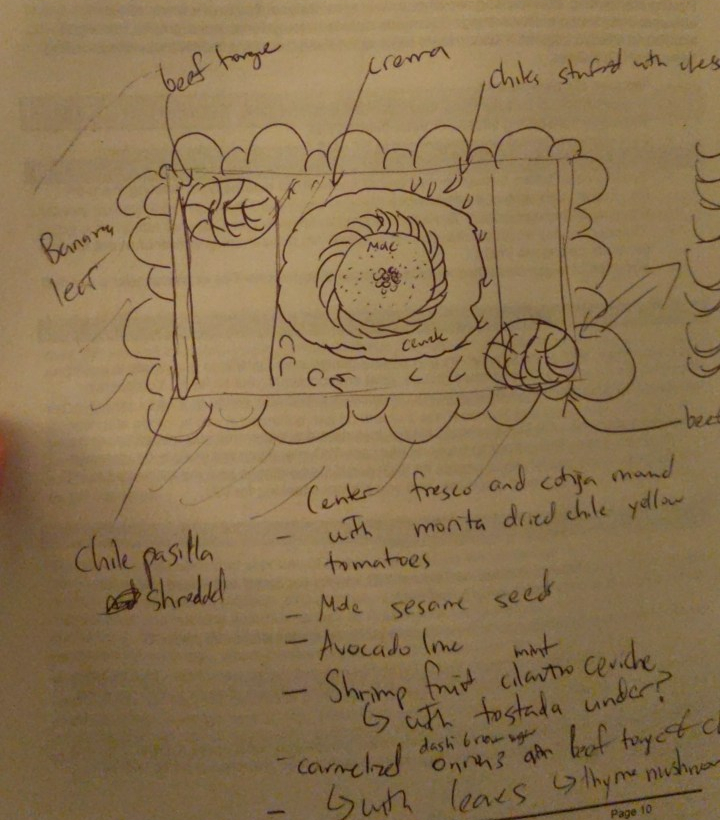
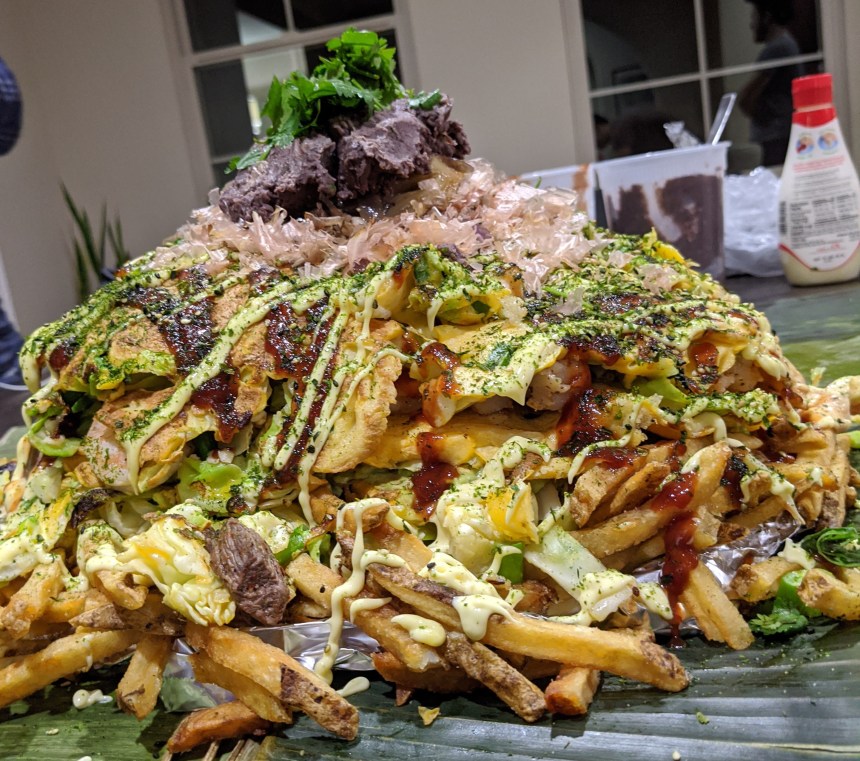
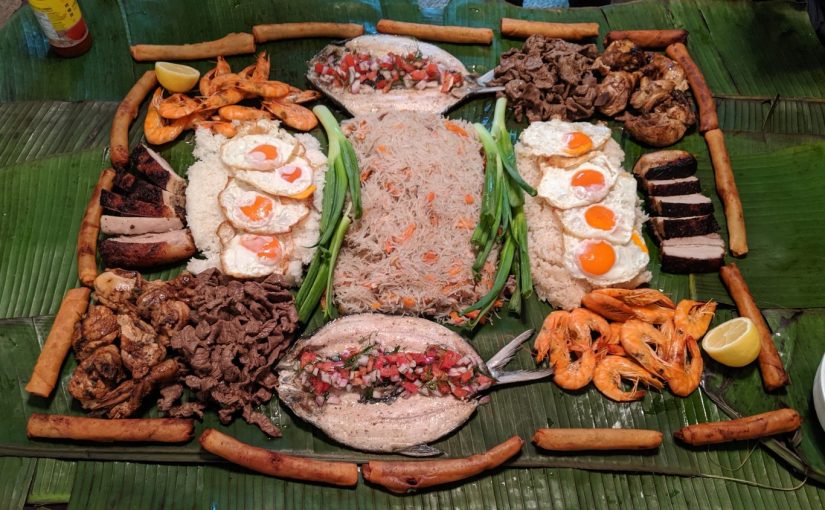
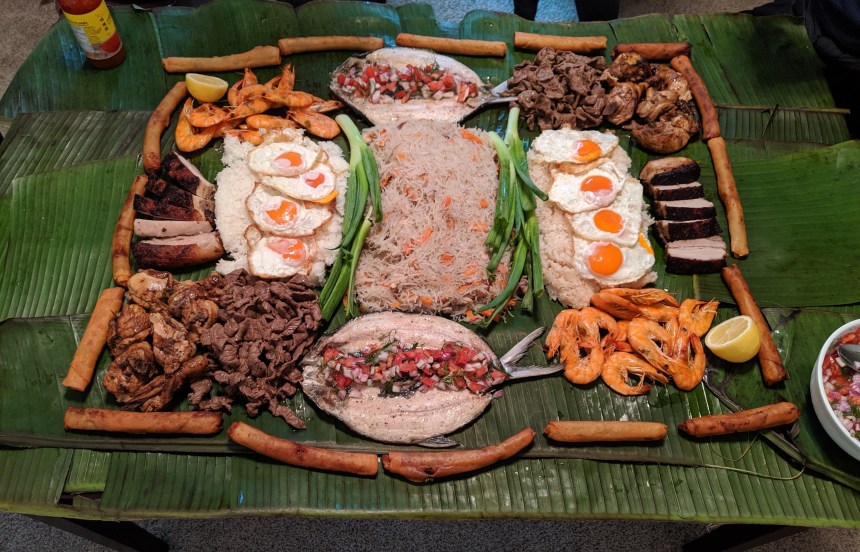
Design is always a challenge with these feastivals as its not easy to grasp the proportions when laying out 10+ pounds of food across a myriad of dishes. I will admit I had my worries with the design in the beginning, but it turned out to be the best looking feast I have ever done.
Here’s how it went down:
Final Thoughts
Overall the flavors delivered a complete experience with the ability to mix and match anything your heart desires. As with any time I utilize Mexican food, I am always blown away with the adaptability of the flavors and ingredients that comprise the majority of Mexican cuisine; a truly optimal match for the feast format.
Stay tuned for more food feastivals as I hope to tackle some Japanese inspired feast concepts in the near future.


 Epicurean Experience

